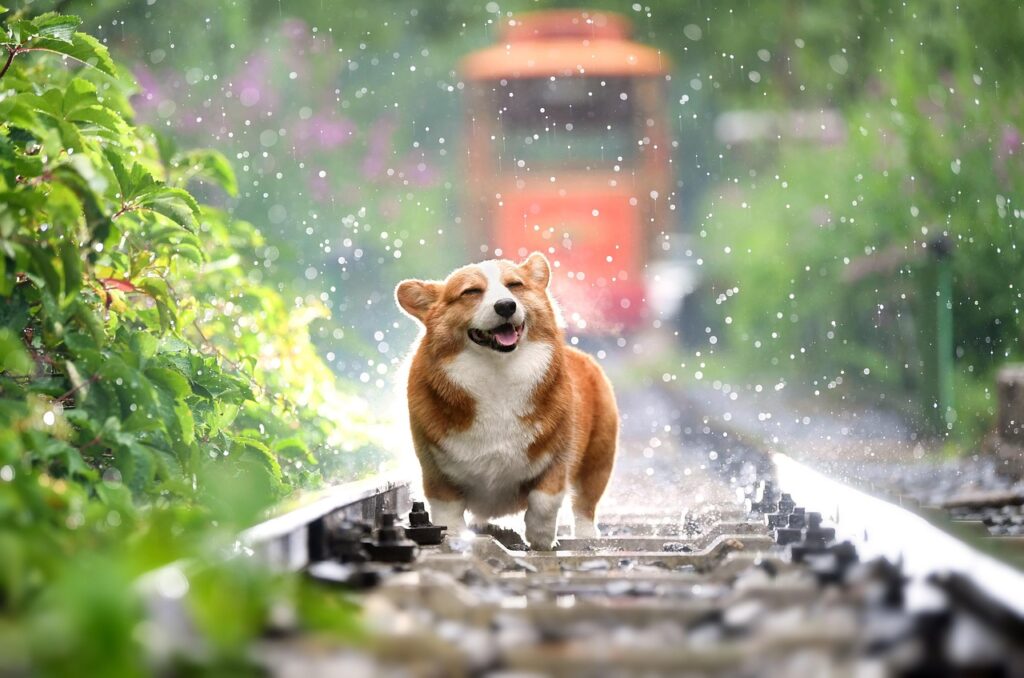
Essential Dog Health Care Tips for a Happy Pup | EpicDogLife.com
Let’s be honest — our dogs aren’t just pets. They’re family. They greet us at the door like we’ve been gone for years, snuggle up when we’re feeling down, and somehow always know exactly when we need a little extra love. That’s why keeping them healthy and happy isn’t just something we should do — it’s something we want to do.
But with so much advice out there, it can feel overwhelming. Where do you even start? Don’t worry — we’ve got your back. This guide breaks down everything you need to know about dog health care in plain, simple terms. No fluff. Just real talk and practical tips.
Before we jump in, you might want to check out our ultimate dog nutrition guide . And if you’re ever worried about a symptom, our dog health symptom checker AI is always there to help.
Feed Them Well — It Makes a Huge Difference
You are what you eat, right? Well, the same goes for your dog. Good nutrition is the foundation of good health. It affects everything — from their energy levels to their coat shine to how well their immune system works.
Choosing the right food can feel like a minefield with all the options out there. A good rule of thumb? Look for high-quality food that matches your dog’s life stage. Puppies need different nutrients than adult dogs, and seniors have their own needs too. Your vet can point you in the right direction.
What a Healthy Diet Looks Like
A well-balanced diet should include:
-
Quality proteins for strong muscles
-
Healthy fats for energy and a shiny coat
-
Carbohydrates for fuel
-
Vitamins and minerals to support overall health
And hey — throwing in some dog-safe fruits or veggies as treats? That’s a win. Just make sure you know what’s safe and what’s not.
Foods to Avoid — Please Read This
Some foods that are perfectly fine for us can be dangerous — even deadly — for dogs. Keep these far away from your pup:
-
Chocolate
-
Grapes and raisins
-
Onions and garlic
-
Anything with xylitol (a sweetener)
When in doubt, leave it out. And if your dog ever eats something they shouldn’t, don’t wait — call your vet right away.
Want to know which foods are best? Check out our top dog food brands best picks for 2026 .
Keep Them Moving
We all know that feeling when we’ve been sitting too long. Dogs feel it too. Regular exercise isn’t just about burning off energy — it’s about keeping their heart healthy, their mind sharp, and their weight in check.
Find What They Love
Not every dog is a marathon runner. Some are couch potatoes. Others are little balls of endless energy. The key is finding activities that match your dog’s personality and fitness level.
Think about:
-
Daily walks (sniffing counts as exercise too!)
-
Games of fetch or tug-of-war
-
Agility or obstacle courses
-
Swimming (great for dogs with joint issues)
And don’t forget — mental exercise is just as important as physical. Puzzle toys, training sessions, and learning new tricks wear them out in the best way possible.
Need help planning a routine? Our dog exercise planner AI can create one tailored just for your pup.
Regular Vet Visits Save Lives
I know — trips to the vet can be stressful. But they’re absolutely essential. Regular check-ups catch problems early when they’re easiest to treat.
Stay on Top of Vaccinations and Parasites
Vaccines protect your dog from serious diseases. Follow your vet’s recommended schedule. And don’t skip parasite prevention — fleas, ticks, and worms are more than just annoying; they can make your dog really sick.
Don’t Forget Their Teeth
Dental health is one of those things that’s easy to overlook. But did you know that dental disease can affect your dog’s heart, liver, and kidneys? A little brushing goes a long way. Dental chews and professional cleanings help too.
Learn more about keeping those pearly whites clean in our essential dog dental care tips guide.
Grooming — It’s More Than Just Looking Good
Grooming isn’t just about having a pretty pup (though that’s a nice bonus). It’s about health. Regular grooming gives you a chance to check for bumps, lumps, or skin issues you might otherwise miss.
Brush, Bathe, Repeat
Some dogs need daily brushing. Others need it weekly. It all depends on their coat type. But one thing’s for sure — regular brushing reduces shedding, prevents mats, and keeps their skin healthy.
Bathing? Only when they need it. Too much washing can dry out their skin. And always use dog-specific shampoo.
Nails and Ears Matter Too
Overgrown nails are painful. They change how your dog walks and can lead to joint problems. Keep them trimmed.
Ears need love too — especially for breeds with floppy ears. Regular cleaning helps prevent infections.
For a grooming routine tailored to your dog, try our dog grooming scheduler AI .
Socialization and Training — It’s a Lifelong Process
A well-behaved dog is a happy dog. Socialization and training give your dog confidence and help them feel safe in the world.
Start Early
If you have a puppy, start socializing them as soon as it’s safe. Introduce them to different people, places, and other animals. Keep the experiences positive and fun.
Keep Training Consistent
Training doesn’t stop after puppyhood. Keep reinforcing those basic commands. And don’t be afraid to try something new — advanced training or dog sports are great for bonding and mental stimulation.
Need help with training? Our dog training coach AI is here to guide you step by step.
Love, Attention, and Quality Time
Here’s the thing — dogs don’t care about fancy toys or expensive beds. What they really want is you. Time spent together is the best gift you can give them.
Be Present
Whether it’s a lazy Sunday cuddle session or an adventure in the park, being present with your dog matters. They notice. They appreciate it. And it strengthens your bond in ways you can’t measure.
Watch Their Emotional Health
Dogs feel stress, anxiety, and fear just like we do. Pay attention to their body language. If something seems off, don’t ignore it. Sometimes a little extra patience and comfort is all they need. Other times, professional help might be the right call.
Wrapping It Up
Raising a healthy, happy dog isn’t about being perfect. It’s about doing your best — day in and day out. Good food. Regular exercise. Routine vet visits. Grooming. Training. And most importantly, love.
Your dog doesn’t need you to be flawless. They just need you to show up for them. And when you do, they’ll repay you tenfold with loyalty, joy, and unconditional love.
For more tips and resources, explore our essential dog health care tips guide.