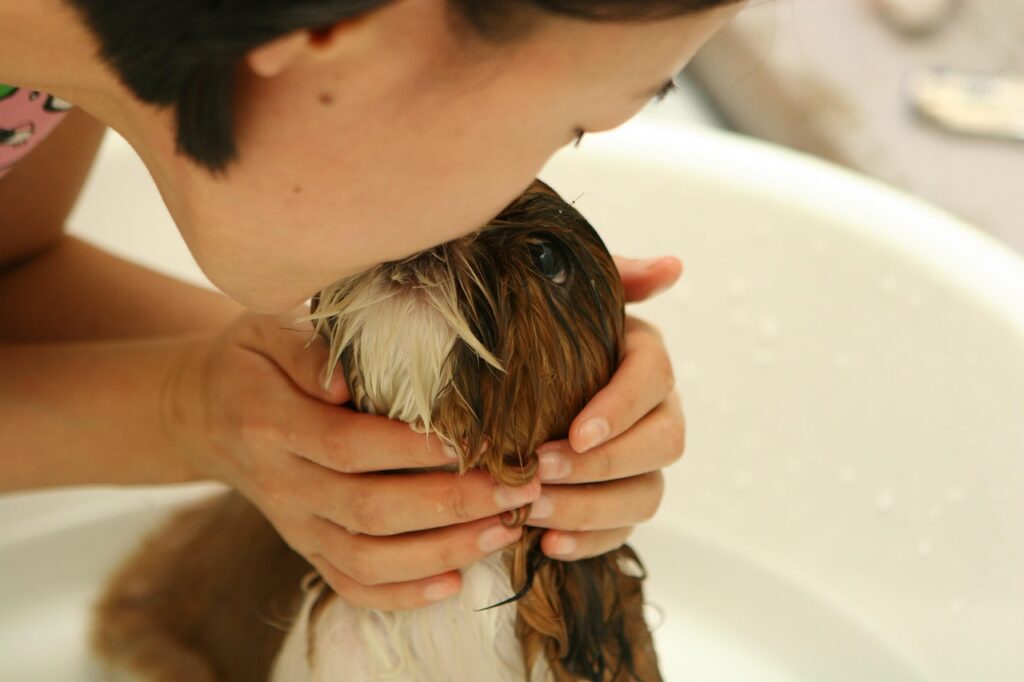
Dog being groomed with a brush for a shiny healthy coat
A shiny, healthy coat is not just a sign of a beautiful dog; it reflects the overall health and well-being of your beloved pet. Regular grooming plays a crucial role in maintaining your dog’s coat, keeping it vibrant and free from tangles and mats. From understanding your dog’s specific coat type to mastering the art of brushing and bathing, this guide provides ultimate grooming tips to ensure your dog’s coat remains in top condition.
Understanding Your Dog’s Coat Type
Before diving into the specifics of grooming, it’s essential to understand that different dog breeds have different coat types, each requiring unique care techniques. Common coat types include smooth, double, wire, curly, and long-haired coats. Recognizing your dog’s coat type will help in selecting the right grooming tools and techniques.
Smooth Coats
Dogs with smooth coats, such as Beagles and Boxers, have short, close-lying fur that is easy to maintain. Regular brushing with a bristle brush or a hound glove helps remove loose hair and distributes natural oils, giving their coat a natural shine.
Double Coats
Breeds like Huskies and Golden Retrievers have double coats that consist of a soft undercoat and a tougher outer coat. These require frequent brushing with an undercoat rake or slicker brush to prevent matting and to manage seasonal shedding effectively.
Wire Coats
Wire-coated breeds, such as Terriers, need regular hand stripping or clipping to maintain a tidy appearance. This involves removing dead hair from the coat to promote new growth and to prevent matting.
Curly Coats
Poodles and Bichon Frises have curly coats that demand regular grooming to prevent tangling. A slicker brush and a steel comb are ideal for maintaining these coats, as they help in detangling and maintaining the coat’s texture.
Long-Haired Coats
Breeds like Shih Tzus and Afghan Hounds have long, flowing coats that require daily brushing to prevent knots and tangles. A pin brush and a wide-toothed comb are particularly useful for these types of coats.
Essential Grooming Tools
Equipping yourself with the right grooming tools is crucial for maintaining a shiny coat. Here are some essential tools every dog owner should have:
- Bristle Brush: Ideal for short-haired dogs to remove loose hair and stimulate the skin.
- Slicker Brush: Useful for removing mats and tangles in medium to long-haired dogs.
- Undercoat Rake: Perfect for double-coated breeds to remove the dense undercoat during shedding seasons.
- Pin Brush: Great for long-haired breeds to gently detangle and smooth the coat.
- Steel Comb: Useful for finishing touches and tackling stubborn tangles.
- Grooming Scissors: Essential for trimming around sensitive areas like the face and paws.
- Dog Shampoo: Choose a high-quality, natural shampoo that suits your dog’s skin type.
Mastering the Art of Brushing
Regular brushing is key to a shiny coat, as it helps distribute natural oils and removes dirt and debris. Here are some tips to make brushing effective:
Be Gentle
Always be gentle when brushing your dog. Start from the head and move towards the tail, using long strokes to avoid causing discomfort.
Frequency
The frequency of brushing depends on the coat type. Short-haired dogs can be brushed once a week, while long-haired breeds require daily attention.
Tackle Tangles
For matted fur, use a detangling spray and a slicker brush to gently work through the knots. Be patient and avoid pulling, as this can hurt your dog.
Bathing Your Dog
Bathing is an integral part of grooming but should be done with moderation to avoid stripping natural oils. Here’s how to bathe your dog effectively:
Choose the Right Shampoo
Invest in a high-quality dog shampoo that matches your dog’s coat type and skin sensitivity. Avoid human shampoos as they can irritate your dog’s skin.
Choosing the right shampoo is just as important as proper bathing technique. Our Bodhi Dog Organic Oatmeal Pet Shampoo & Conditioner Review explains why gentle, oatmeal-based shampoos are an excellent choice for dogs with sensitive skin.
Proper Technique
Wet your dog thoroughly before applying shampoo. Work the shampoo into a lather, starting from the neck and moving downwards. Rinse thoroughly to ensure no residue is left behind.
Drying
Towel dry your dog gently, then use a blow dryer on a low setting if your dog is comfortable with the noise. Ensure your dog is completely dry to prevent any cold-related discomfort.
Diet and Nutrition
A shiny coat is also a reflection of your dog’s diet. Ensure your dog receives a balanced diet rich in omega-3 and omega-6 fatty acids, which are essential for healthy skin and coat.
The American Veterinary Medical Association (AVMA) also recommends regular preventive healthcare, including proper nutrition and routine wellness exams to support healthy skin and coat.
Supplements
Consider supplements like fish oil or flaxseed oil to boost your dog’s intake of essential fatty acids. Always consult with a veterinarian before introducing new supplements.
Hydration
Keep your dog well-hydrated. Water is crucial for maintaining skin elasticity and preventing dryness, which can dull the coat.
Regular Health Checks
Regular veterinary check-ups are vital for identifying any underlying health issues that may affect your dog’s coat. Conditions like allergies, parasites, and hormonal imbalances can impact coat health.
Parasite Control
Ensure your dog is on a regular flea and tick prevention program, as parasites can cause itching and coat damage.
Allergy Management
If your dog has allergies, work with your vet to manage them effectively. Allergies can lead to excessive scratching and a dull coat.
Conclusion
Maintaining a shiny coat requires a combination of regular grooming, proper nutrition, and attentive health care. By understanding your dog’s specific needs and investing in the right tools and techniques, you can ensure your furry friend’s coat remains lustrous and healthy. Remember, grooming is not just about aesthetics; it’s an opportunity to bond with your pet and monitor their health closely. With these ultimate grooming tips, your dog will not only look great but also feel their best.
#ChatGPT assisted in the creation of this article.