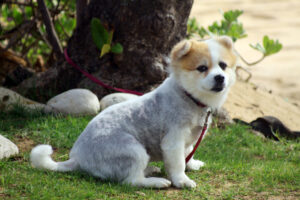

Healthy small dog receiving daily care including grooming, exercise and proper nutrition
Small dog breeds have become increasingly popular among pet owners due to their manageable size and often convenient adaptability to various living environments, including apartments and smaller homes. Despite their diminutive stature, small dogs have unique needs that must be addressed to ensure their health and happiness. This article aims to provide essential tips for the care of small dog breeds, focusing on their specific dietary, grooming, exercise, and health requirements.
Understanding Small Dog Breeds
Small dog breeds typically weigh between 5 and 20 pounds and are characterized by their compact build and often spirited personalities. Examples include the Chihuahua, Pomeranian, French Bulldog, Dachshund, and Yorkie. While these dogs are small in size, they often possess big personalities and require thoughtful care and attention.
Dietary Needs
Small dogs have unique dietary requirements that differ from those of larger breeds. Their fast metabolism means they burn calories quickly, necessitating a diet that meets their energy needs without causing weight gain. Here are some key dietary considerations for small dog breeds:
Choose High-Quality Dog Food
Opt for high-quality, nutrient-rich dog food that is specifically formulated for small breeds. These foods often have higher calorie content per pound, ensuring that your dog receives adequate nutrition in smaller portions. Look for foods with high protein content and essential fatty acids to support their active lifestyle and maintain a healthy coat.
A healthy diet is one of the biggest factors in your dog’s long-term wellbeing. If your dog tends to eat too quickly, our Outward Hound Fun Feeder Slo Bowl Review explains how slow feeders can improve digestion and reduce the risk of bloating.
Portion Control
Overfeeding is a common issue with small dogs, which can lead to obesity and associated health problems. Pay careful attention to the recommended portion sizes on the dog food packaging and adjust based on your dog’s activity level and weight. Regularly weigh your dog to ensure they maintain a healthy weight.
Frequent, Smaller Meals
Given their fast metabolism, small dogs may benefit from being fed smaller, more frequent meals throughout the day. This approach helps maintain stable energy levels and prevents hypoglycemia, a condition small breeds are particularly prone to experiencing.
Exercise Requirements
While small dogs do not require as much exercise as larger breeds, regular physical activity is essential for their overall health and well-being. Exercise helps prevent obesity, provides mental stimulation, and strengthens the bond between you and your pet. Here are some tips for exercising small dog breeds:
Daily Walks
Daily walks are important for small dogs, offering them the opportunity to burn off energy, explore their environment, and socialize with other dogs. Aim for at least 20-30 minutes of walking per day, adjusting based on your dog’s energy level and age.
Playtime
Incorporate interactive playtime into your dog’s routine. Toys, fetch, and puzzle games can provide both physical exercise and mental stimulation. Ensure the toys are appropriately sized for small mouths to prevent choking hazards.
Indoor Activities
For days when outdoor exercise is not possible, indoor activities like hide-and-seek, tug-of-war, or training sessions can help keep your small dog engaged and active.
Grooming Needs
Grooming is an essential aspect of small dog care, contributing to their health, comfort, and appearance. The grooming requirements for small dogs vary based on their coat type and breed characteristics. Here are some general grooming tips:
Keeping your dog clean is easier with gentle grooming products. Read our Bodhi Dog Organic Oatmeal Pet Shampoo & Conditioner Review to learn how oatmeal-based shampoos can soothe sensitive skin while keeping coats clean and healthy.
Regular Brushing
Regular brushing helps prevent matting and tangling, especially in breeds with longer coats like the Maltese or Shih Tzu. Brush your dog’s coat several times a week, or daily for long-haired breeds, to keep it healthy and shiny.
Bathing
Bathe your small dog every 4-6 weeks, or more frequently if needed, using a gentle, dog-specific shampoo. Avoid over-bathing, as it can strip the coat of natural oils and cause skin irritation.
Nail Trimming
Regular nail trimming is crucial to prevent overgrown nails, which can cause pain and lead to mobility issues. Trim your dog’s nails every 3-4 weeks, or as needed, and be cautious not to cut too close to the quick.
Dental Care
Small breeds are prone to dental issues, so regular dental care is essential. Brush your dog’s teeth several times a week with a dog-specific toothbrush and toothpaste. Provide dental chews or toys to help keep their teeth clean and gums healthy.
Dental hygiene is especially important for toy breeds. Our complete guide to Essential Dog Dental Care Tips for Healthy Smiles explains how regular brushing and preventive care help reduce plaque, bad breath, and dental disease.
Health Considerations
Small dog breeds have specific health considerations that owners should be aware of to ensure their long-term well-being. Regular veterinary check-ups are crucial for early detection and management of health issues. Here are some common health concerns for small breeds:
Hypoglycemia
As mentioned earlier, small dogs are at risk for hypoglycemia, a condition characterized by low blood sugar levels. Symptoms include lethargy, trembling, and seizures. Ensure your dog receives regular meals and monitor for any signs of hypoglycemia, seeking veterinary care if necessary.
Patellar Luxation
This condition occurs when the kneecap dislocates from its normal position, causing pain and lameness. It is relatively common in small breeds. Regular exercise and maintaining a healthy weight can help manage this condition, but severe cases may require surgical intervention.
Tracheal Collapse
Small dogs, particularly breeds like the Pomeranian and Chihuahua, are prone to tracheal collapse, a condition where the trachea weakens and narrows. Symptoms include coughing and difficulty breathing. Use a harness instead of a collar to reduce strain on the trachea and consult a veterinarian for management options.
Regular Veterinary Care
Regular veterinary visits are essential for monitoring your small dog’s health and catching any potential issues early. Keep up with vaccinations, flea and tick prevention, and heartworm medication as recommended by your vet.
Training and Socialization
Proper training and socialization are vital for small dog breeds, helping them develop into well-behaved and confident pets. Here are some tips for training and socializing small dogs:
Daily walks become much easier with properly fitted walking equipment. Our Rabbitgoo No-Pull Dog Harness Review explains how a comfortable harness can improve control while protecting your dog’s neck.
Positive Reinforcement
Use positive reinforcement techniques, such as treats and praise, to encourage desired behaviors. Small dogs respond well to gentle, consistent training methods and thrive on positive interactions.
Early Socialization
Expose your small dog to various environments, people, and other animals from a young age to build their confidence and reduce the risk of anxiety or aggression. Puppy classes can be a great way to socialize your dog in a controlled setting.
Basic Commands
Teach your small dog basic commands like sit, stay, come, and leave it. These commands are essential for ensuring your dog’s safety and enhancing your communication with them.
Before starting any diet or health program for your dog, review the American Kennel Club’s Small Dog Breed Guide, which explains breed characteristics, care requirements, and responsible ownership.
Frequently Asked Questions
How often should small dogs eat?
Most adult small dogs do well with two meals daily, while puppies often need three to four smaller meals to maintain stable blood sugar levels.
Do small dogs need less exercise?
Although they require less exercise than many large breeds, small dogs still benefit from daily walks, playtime, and mental stimulation.
Why are dental problems common in small dogs?
Smaller breeds often have crowded teeth, making plaque buildup more likely. Regular brushing and veterinary dental care help prevent periodontal disease.
Should small dogs wear collars or harnesses?
Many veterinarians recommend harnesses for small breeds because they reduce pressure on the neck and may help lower the risk of tracheal injuries.
Conclusion
Taking care of a small dog breed involves understanding their unique needs and providing the appropriate care to ensure their health, happiness, and longevity. By focusing on their dietary, exercise, grooming, and health requirements, as well as providing proper training and socialization, you can enjoy a rewarding and fulfilling relationship with your small dog companion. Remember, each dog is an individual, and it’s important to tailor your care to meet your specific dog’s needs and personality.