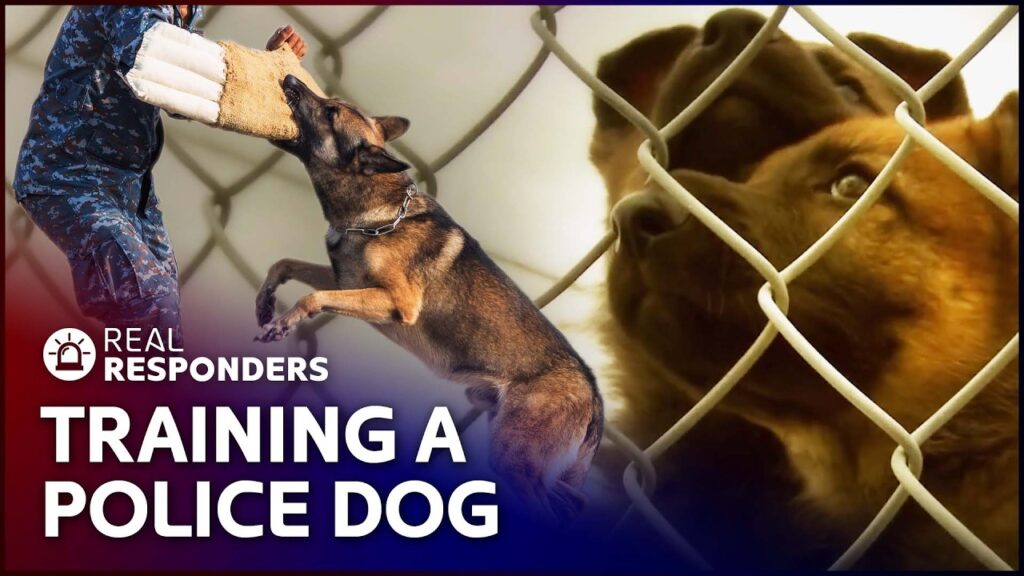
K9 police dog training with handler during advanced obedience exercise
Behind Every K9 Officer Is Months of Specialized Training
Police dogs are among the most highly trained working animals in the world. Before entering active service, they undergo months of intensive training focused on obedience, tracking, scent detection, suspect apprehension, and working confidently alongside their handlers in stressful situations.
Success depends on consistent training, physical conditioning, and a strong partnership between the dog and its handler. Many police dogs begin with basic obedience before progressing to advanced skills that prepare them for real-world law enforcement operations.
Building a reliable working dog starts with choosing equipment that offers comfort and control. Our Large Dog Harness Review explains how a properly fitted harness can improve handling during daily training sessions:
Training sessions are demanding, and proper nutrition helps maintain energy and overall health. Explore our Dog Nutrition section for feeding tips and advice that support active dogs:
After long training days, quality rest is equally important for recovery. Learn how a supportive sleeping area can improve comfort in our Calming Donut Pet Bed Review:
The United States Police Canine Association (USPCA) provides information about police dog certifications, training standards, and working K9 teams.
FAQ
What breeds are commonly used as police dogs?
German Shepherds, Belgian Malinois, Dutch Shepherds, and Labrador Retrievers are among the breeds most frequently selected for police work because of their intelligence, athleticism, and trainability.
How long does K9 police dog training take?
Initial training typically lasts several months, followed by ongoing training throughout the dog’s working career to maintain and improve skills.
Are police dogs trained using positive reinforcement?
Modern K9 training often combines positive reinforcement with structured, task-specific training methods to build reliable performance and strong handler communication.