
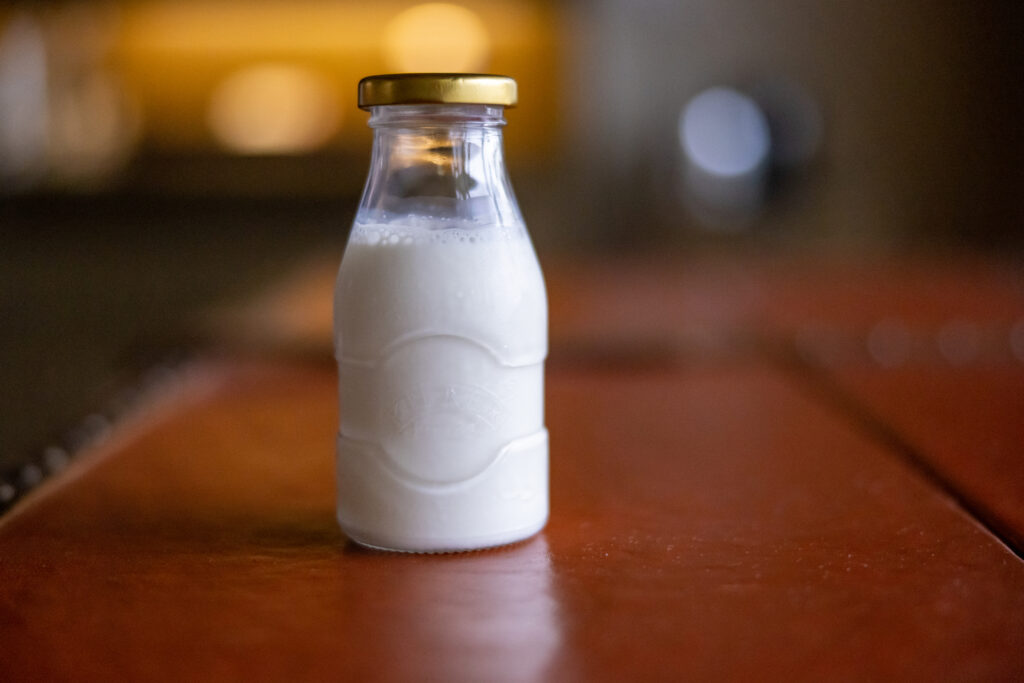
Can dogs drink milk? What every owner needs to know
It is a question that has probably crossed your mind while enjoying a bowl of cereal or pouring a glass for yourself. You look down, and there they are, those big, hopeful eyes staring up at you, practically begging for a taste. It feels almost cruel to say no. But is it actually safe to share?
The short answer is maybe, but it is probably not a good idea to make it a habit. While milk is not toxic to dogs, it is not a necessary part of their diet, and for many, it can lead to some rather unpleasant side effects.
Before we dive in, check out our dog nutrition planner ai for personalized feeding advice. You may also find our ultimate dog nutrition guide helpful for more nutrition tips.
The root of the problem: lactose intolerance
To understand why milk can be an issue, we need to talk about lactose. Lactose is the natural sugar found in milk. To digest it, the body produces an enzyme called lactase.
Puppies produce plenty of lactase to digest their mother’s milk. However, as dogs grow and are weaned, their bodies often produce less and less of this enzyme. This is a natural process. When a dog loses the ability to produce enough lactase, they become lactose intolerant. This means the undigested lactose sits in their gut and ferments, causing gastrointestinal distress.
How to tell if your dog is lactose intolerant
Many dog owners don’t realize their pup is lactose intolerant until they have already given them milk. If you do decide to offer a small taste, it is crucial to watch for signs of trouble. The symptoms are hard to miss and can include:
Gas and bloating. Awful farts are often one of the first signs. The fermentation of undigested sugar in the gut produces a significant amount of gas.
Diarrhea. This is another common symptom. The undigested lactose draws water into the colon, leading to loose or watery stools.
Abdominal pain. The combination of gas and diarrhea can cause cramping and significant discomfort. Your dog might pant, whine, or seem restless.
Vomiting. In more severe cases, drinking milk can cause a dog to vomit.
If you notice any of these symptoms after your dog has had milk, it is a clear sign that dairy does not agree with them and should be avoided in the future.
Are there any benefits to giving a dog milk?
Milk does contain nutrients like protein, calcium, and vitamins A and D. However, a high-quality, balanced commercial dog food already provides all the necessary nutrients in the proper amounts. A dog does not need milk to get these nutrients. The risks of digestive upset and the high fat and sugar content far outweigh any potential benefits.
If you must, do it safely
If your dog is one of the rare ones that can tolerate dairy and you still want to share, moderation is absolutely critical.
Keep it tiny. A few tablespoons of cow’s or goat’s milk is more than enough as an occasional treat. For smaller dogs, a teaspoon is a safer starting point.
Do not give a whole bowl. Giving your dog an entire bowl of milk is almost guaranteed to cause a reaction, even in dogs that are not lactose intolerant.
Consider lactose-free milk. This is processed to remove the lactose and is generally considered a safer option. However, it can still cause issues for some dogs, so it should still be given in small amounts as an occasional treat.
Watch for xylitol. This is a critical warning. Some milk alternatives and other products are sweetened with xylitol, an artificial sweetener that is highly toxic to dogs. Always check the ingredients list carefully.
What about plant-based milks?
It is generally safest to avoid them. While plant-based milks like almond, oat, and soy have less lactose, they are often high in fat and calories and may contain additives, sugars, or thickeners that can upset your dog’s stomach. Some dogs can also be allergic to their primary ingredients. Just like cow’s milk, they are not a necessary part of a dog’s diet and should be avoided.
A final word on puppies
It is important to remember that puppies should not be given cow’s milk or other milks to drink. If a puppy is orphaned or needs supplemental feeding, they require a commercial puppy milk replacer formula specifically designed to meet their unique nutritional needs. These formulas mimic the nutrient profile of their mother’s milk, which has twice as much protein as cow’s milk. Cow’s milk is simply not a suitable substitute.
For more information on puppy care, check out our comprehensive puppy training schedule for your first day at home .
So, do they love it?
The honest answer is that many dogs love the taste of milk. But the reality is that their bodies often do not love the consequences. While a tiny, occasional taste might be harmless for some, it is a risk that is generally not worth taking. There are plenty of other, safer treats you can give your dog that they will love just as much without the risk of an upset stomach. When in doubt, stick to fresh water and a high-quality diet. It is the simplest and healthiest choice for your furry friend.
For more guidance on what is safe for your dog to eat, visit the PetMD guide on toxic foods for dogs. You can also explore our essential dog health care tips for a happy pup for more general health advice.