
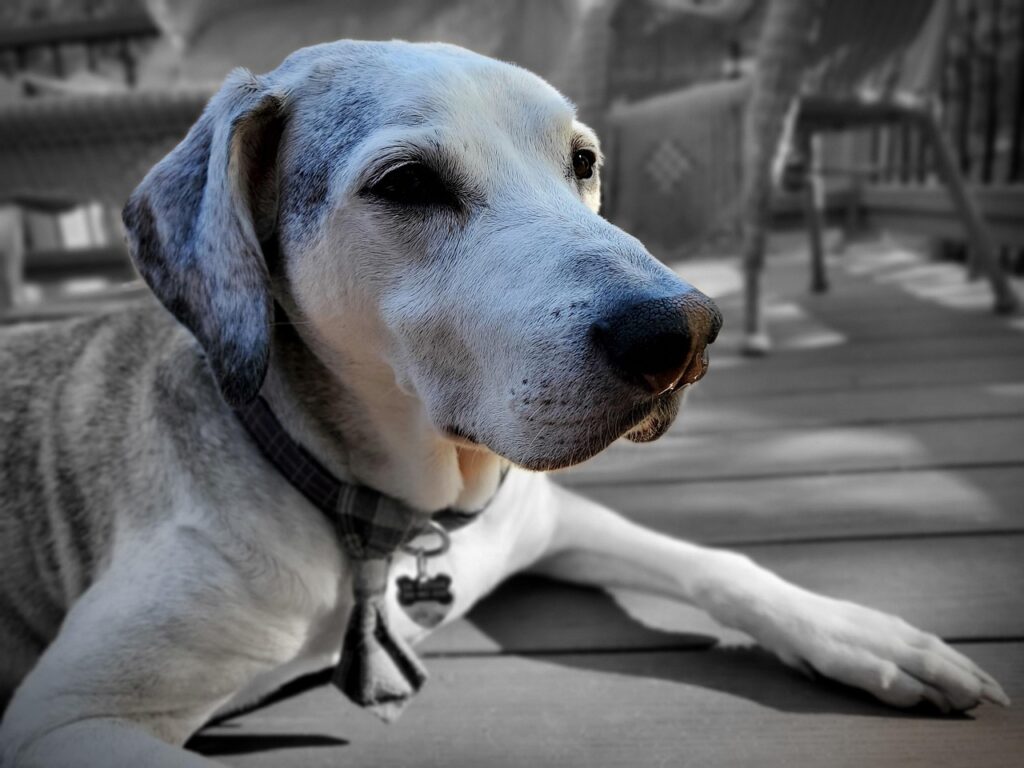
As our beloved canine companions age, their needs evolve significantly. Just like humans, senior dogs require special attention and care to ensure their golden years are comfortable and healthy. Understanding these needs is the first step in providing the best care possible for your aging pet.
Recognizing the Signs of Aging
Senior dogs often exhibit changes in behavior, energy levels, and physical abilities. Common signs of aging include reduced stamina, difficulty in mobility, changes in weight, and possibly even cognitive decline. Recognizing these signs early can help you adjust their care routine to better suit their changing needs.
Nutrition for Senior Dogs
Adjusting Caloric Intake
As dogs age, their metabolism tends to slow down, which can lead to weight gain if their caloric intake is not adjusted. It’s crucial to monitor their weight and adjust their diet accordingly to prevent obesity, which can exacerbate health issues like arthritis and diabetes.
Ensuring a Balanced Diet
Senior dogs often benefit from a diet that is rich in high-quality protein, healthy fats, and essential vitamins and minerals. Look for dog foods specifically formulated for senior dogs, as these often contain joint-supporting supplements like glucosamine and chondroitin, as well as antioxidants to support cognitive function.
Regular Veterinary Care
Frequent Health Check-Ups
Regular veterinary visits are essential for senior dogs, as they are at a higher risk for health issues. These visits should occur at least twice a year, allowing for early detection and management of potential problems like arthritis, kidney disease, or dental issues.
Vaccinations and Preventive Care
While some vaccinations may not be necessary annually for older dogs, it’s important to discuss with your vet which vaccines remain essential. Additionally, senior dogs require regular preventive care, including flea, tick, and heartworm prevention, as well as routine blood work to monitor overall health.
Maintaining Mobility and Comfort
Managing Joint Health
Joint problems are common in older dogs. Supplements such as glucosamine and omega-3 fatty acids can aid in maintaining joint health. Additionally, providing a comfortable sleeping area with orthopedic dog beds can help ease joint pain and improve their overall comfort.
Encouraging Safe Exercise
While senior dogs may not have the energy levels of their younger years, regular exercise is still vital. Short, gentle walks or low-impact activities like swimming can help keep them fit and maintain muscle mass without putting undue stress on their joints.
Dental Care
Oral health is often overlooked in senior dogs, yet it is crucial to their overall well-being. Regular at-home brushing and professional cleanings can prevent dental disease, which is linked to more severe health issues such as heart disease and kidney problems.
Mental Stimulation and Emotional Well-being
Keeping Their Mind Active
Cognitive decline is common in older dogs, but mental stimulation can slow its progression. Engage your dog with puzzle toys, training sessions, and interactive play to keep their mind sharp and engaged.
Providing Emotional Support
Senior dogs may become more anxious or less tolerant of change. Maintaining a consistent routine, offering plenty of affection, and ensuring a safe, calm environment can help them feel secure and loved.
Grooming and Skin Care
As dogs age, their skin and coat may become drier. Regular grooming helps distribute natural oils, keeping their coat healthy. Additionally, be attentive to any lumps, bumps, or changes in their skin, which should be evaluated by a veterinarian.
Adaptations in the Home
Creating a Safe Environment
Older dogs may have difficulty navigating stairs or slippery floors. Consider installing ramps, using non-slip mats, and blocking off hazardous areas to prevent falls and injuries.
Easy Access to Essentials
Ensure that food, water, and sleeping areas are easily accessible. For dogs with mobility issues, raised food bowls can be beneficial, and placing water bowls in multiple locations can encourage hydration.
Monitoring Behavior Changes
Be vigilant about any changes in your dog’s behavior, as these can be indicators of underlying health issues. Increased irritability, changes in sleep patterns, or loss of interest in activities they once enjoyed should prompt a discussion with your veterinarian.
End-of-Life Care and Decisions
As difficult as it may be, it’s essential to consider end-of-life care for your senior dog. Discuss options with your veterinarian to ensure you can make informed decisions that prioritize your pet’s quality of life. Palliative care and, when the time comes, humane euthanasia can be part of a compassionate approach to their final days.
Conclusion
Caring for a senior dog requires patience, compassion, and a proactive approach to their changing needs. By adjusting their diet, ensuring regular veterinary care, maintaining their mobility, and providing mental stimulation and emotional support, you can significantly enhance their quality of life. Remember, your senior dog has been a loyal companion, and providing them with the love and care they deserve in their later years is the best way to honor that bond.