
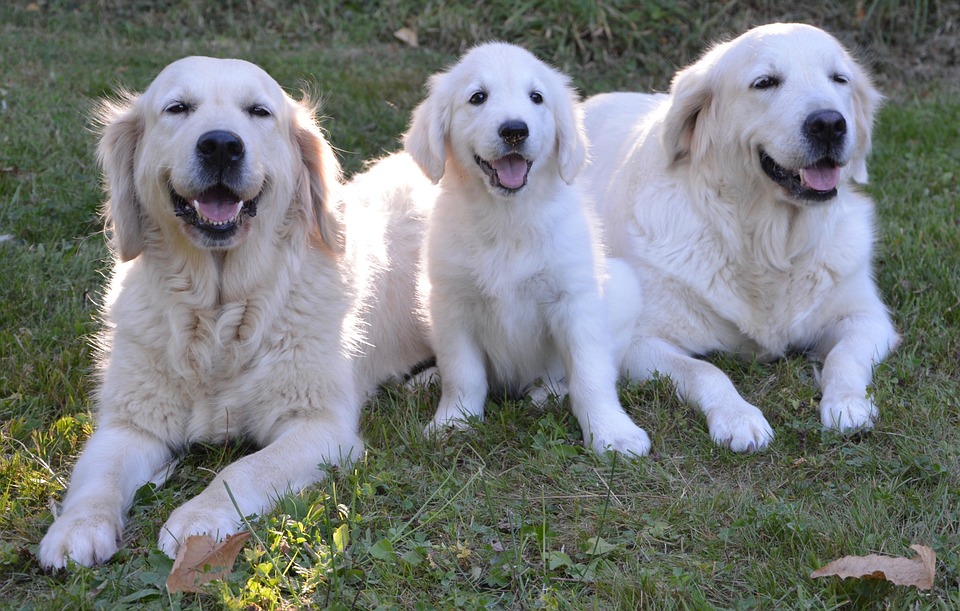
Puppy learning basic obedience commands during a training session
Welcoming a new puppy into your home is an exciting and joyful experience. However, along with the joy comes the responsibility of training your new furry friend. Proper training lays the foundation for a well-behaved adult dog and strengthens the bond between you and your puppy. This ultimate guide is designed to help beginners master puppy training with practical tips, techniques, and insights.
Understanding Your Puppy
The Importance of Early Training
Early training is crucial for puppies as it sets the stage for their development and behavior. Puppies are like sponges, absorbing information from their environment and experiences. The period between 3 and 14 weeks of age is particularly critical, as this is when puppies are most receptive to learning new things. Early training helps prevent behavioral problems and ensures your puppy grows into a confident, well-adjusted dog.
Puppy Development Stages
To effectively train your puppy, it’s important to understand the different stages of their development:
- Neonatal Period (0-2 weeks): Puppies are born blind and deaf, relying entirely on their mother.
- Transitional Period (2-4 weeks): Puppies begin to open their eyes and ears, starting to interact with their littermates.
- Socialization Period (3-14 weeks): Puppies learn social skills and explore their environment. This is the most crucial stage for training and socialization.
- Juvenile Period (3-6 months): Puppies become more independent and may test boundaries. Consistent training is vital during this time.
- Adolescence (6-18 months): Hormonal changes occur, and puppies may exhibit challenging behaviors. Patience and reinforcement of training are key.
Setting the Stage for Training
Preparing Your Home
Before you begin training, ensure your home is puppy-proof. Remove any hazardous items, secure electrical cords, and create a safe space for your puppy to explore. Providing a comfortable bed and toys will help your puppy feel at ease in their new environment.
Choosing the Right Time
Timing is crucial when training your puppy. Short, frequent training sessions are more effective than long ones. Puppies have short attention spans, so aim for 5-10 minute sessions several times a day. Choose a time when your puppy is alert but not overly energetic, such as after a nap or a play session.
Basic Training Techniques
Positive Reinforcement
Positive reinforcement is a powerful training technique that involves rewarding desirable behaviors with treats, praise, or play. This method encourages your puppy to repeat the behavior in the future. Always reward your puppy immediately after they perform the desired behavior to help them make the connection.
Clicker Training
Clicker training is a form of positive reinforcement that uses a small device that makes a clicking sound. The clicker marks the exact moment your puppy performs a desired behavior, followed by a reward. This technique is effective for teaching new commands and tricks.
Consistency and Patience
Consistency is key in puppy training. Use the same commands and gestures for each behavior and ensure that all family members are on the same page. Training takes time, and patience is essential. Avoid punishment, as it can create fear and anxiety in your puppy.
Essential Commands
Teaching “Sit”
“Sitting” is one of the first commands most puppies learn. Here’s how to teach it:
- Hold a treat close to your puppy’s nose.
- Slowly move the treat upward, causing your puppy to lower their bottom to the ground.
- As soon as their bottom touches the ground, say “sit” and reward them with the treat.
- Repeat the process several times a day.
Teaching “Stay”
“Stay” is a crucial command for keeping your puppy safe. Follow these steps:
- Ask your puppy to sit.
- Open your palm in front of you and say “stay.”
- Take a step back. If your puppy stays, return and reward them.
- Gradually increase the distance and duration of the stay.
- Practice regularly to reinforce the command.
Teaching “Come”
The “come” command is essential for recall and safety. To teach it:
- Attach a long leash to your puppy’s collar.
- Let them explore while holding the leash.
- Gently pull the leash and say “come” in an excited tone.
- Reward your puppy when they come to you.
- Practice in different environments to strengthen the command.
Addressing Common Challenges
Potty Training
Potty training is a top priority for new puppy owners. Consistency and routine are key to success:
- Take your puppy outside frequently, especially after meals, naps, and playtime.
- Use a designated potty area and praise your puppy when they eliminate there.
- Keep a schedule and be patient, as accidents are part of the learning process.
Chewing and Biting
Puppies explore the world with their mouths, leading to chewing and biting. To manage this behavior:
- Provide plenty of appropriate chew toys.
- Redirect your puppy to a toy if they start biting you.
- Use commands like “leave it” to discourage unwanted chewing.
Socialization
Socialization is crucial for a well-rounded dog. Expose your puppy to various people, animals, and environments:
- Arrange playdates with other vaccinated puppies.
- Introduce your puppy to different sounds, surfaces, and experiences.
- Enroll in a puppy socialization class for structured interactions.
Advanced Training and Enrichment
Introducing Advanced Commands
Once your puppy masters basic commands, you can introduce more advanced training:
- Teach “heel” for controlled walks.
- Introduce “leave it” to prevent unwanted behavior.
- Work on “drop it” for safe retrieval of objects.
Enrichment Activities
Mental and physical enrichment keeps your puppy engaged and happy:
- Provide puzzle toys and treat-dispensing toys.
- Engage in interactive games like fetch and hide-and-seek.
- Rotate toys to keep your puppy’s interest.
Conclusion
Training a puppy is a rewarding journey that requires dedication, patience, and love. By understanding your puppy’s development, setting the stage for training, and using positive reinforcement techniques, you can master puppy training as a beginner. Remember, every puppy is unique, so tailor your approach to suit their personality and needs. With time and effort, you’ll build a strong bond with your furry companion and enjoy a harmonious life together.