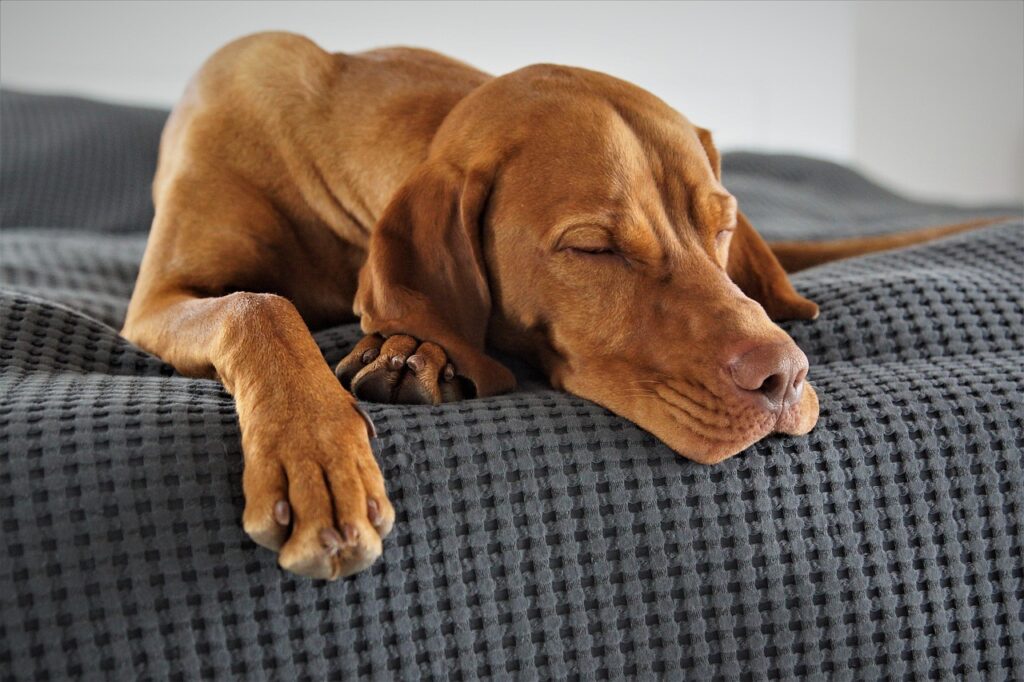
Unlocking the secrets of dog sleeping patterns | EpicDogLife.com
Sleep is a big deal for dogs. Just like us, they need quality rest to stay healthy and happy. But have you ever watched your dog snooze and wondered what is going on in their head? Why do they twitch? Why do they curl up in a ball sometimes and sprawl out other times? Understanding your dog’s sleeping patterns can tell you a lot about their physical and emotional health. This article explores how and why dogs sleep the way they do.
Before we dive in, check out our essential dog health care tips for a happy pup . You may also find our dog health symptom checker ai helpful for guidance on health concerns.
The science of dog sleep
Dogs go through different sleep stages, much like humans. These include REM (rapid eye movement) sleep and non-REM sleep. REM sleep is when dogs are most likely to dream. It is also important for cognitive function and memory consolidation. During non-REM sleep, the body enters a restorative phase. This helps repair tissues and strengthen the immune system.
Dogs have a polyphasic sleep pattern. This means they sleep multiple times throughout the day and night. Humans typically have a monophasic pattern with one long sleep period at night. Understanding this difference is key to understanding your dog’s habits.
How much sleep do dogs need?
The amount of sleep a dog needs depends on several factors. Age, breed, activity level, and overall health all play a role. On average, adult dogs sleep about 12 to 14 hours a day. Puppies need much more, up to 18 to 20 hours a day, to support their rapid growth. Senior dogs may also need extra rest due to age-related health issues.
Some breeds are known for sleeping more than others. Large breeds like Newfoundlands and Saint Bernards often enjoy longer naps. Smaller, more active breeds like terriers and beagles tend to sleep less.
If you are curious about how much sleep your puppy needs, check out our guide on how much should a puppy sleep for optimal health .
What sleep positions mean
Dogs sleep in all sorts of positions. Each one can tell you something about how they are feeling.
The curled-up position
When a dog sleeps curled up, they are usually trying to conserve warmth and protect vital organs. This position might mean they are feeling slightly insecure or cold.
The side sleeper
A dog lying on their side with legs extended is usually comfortable and relaxed. This position suggests they feel safe in their environment.
The belly-up position
A dog sleeping on their back with legs in the air is very comfortable and confident. This vulnerable position shows they feel completely secure.
The superman position
In this position, a dog lies on their stomach with legs stretched out front and back. It often means they are playful and ready to spring into action.
Dreams and sleep disorders
Dogs dream just like we do. During REM sleep, you might see your dog twitching, paddling their paws, or making little noises. These actions likely correspond to what they are dreaming about. While we cannot know for sure, it is probably things they do while awake, like chasing squirrels or playing fetch.
However, dogs can also suffer from sleep disorders. These include insomnia, sleep apnea, and narcolepsy. Sleep apnea is more common in brachycephalic breeds like bulldogs and pugs due to their short snouts. Narcolepsy, which causes sudden sleep attacks, is often seen in younger dogs. If your dog shows signs of a sleep disorder, like excessive daytime sleepiness or loud snoring, talk to your vet.
For more on puppy development, visit the American Kennel Club’s guide on puppy development [https://www.akc.org/expert-advice/health/puppy-growth-stages/].
Environmental factors affecting sleep
A dog’s sleep environment matters a lot. Temperature, noise, and comfort can all impact sleep quality. A comfortable bed, a quiet sleeping area, and a suitable room temperature can make a big difference.
Routine is also important. Dogs are creatures of habit. A consistent daily schedule with regular feeding and exercise times helps them know when it is time to rest.
The impact of diet and exercise on sleep
A balanced diet and regular exercise are fundamental to good sleep. A dog that eats well and gets enough activity is more likely to have healthy sleep cycles. A poor diet can lead to obesity and other health issues that disrupt sleep.
Exercise helps burn energy and reduces restlessness at night. However, avoid vigorous exercise right before bedtime. It can overstimulate your dog and make it hard for them to settle down.
For personalized nutrition advice, try our dog nutrition planner ai .
Recognizing abnormal sleep patterns
Sudden changes in sleep patterns can be a red flag. If your dog starts sleeping much more or less than usual, it could point to an underlying health problem. Conditions like arthritis, hypothyroidism, or anxiety can affect sleep.
Keep an eye on your dog’s sleep habits. A sleep diary with notes on duration and quality can be helpful to share with your vet if you have concerns.
For more guidance on dog health, visit PetMD’s guide on dog health [https://www.petmd.com/dog/health].
Enhancing your dog’s sleep
Understanding and optimizing your dog’s sleep is part of good care. Pay attention to their habits. Create a comfortable environment. Maintain a healthy lifestyle with good food and exercise. These steps help your dog get the rest they need.
Dogs give us so much love and loyalty. Making sure they get quality sleep is one way we can give back. By understanding their sleep patterns, we can better care for them and strengthen our bond.
For more helpful content, explore our essential dog health care tips for a happy pup guide.