
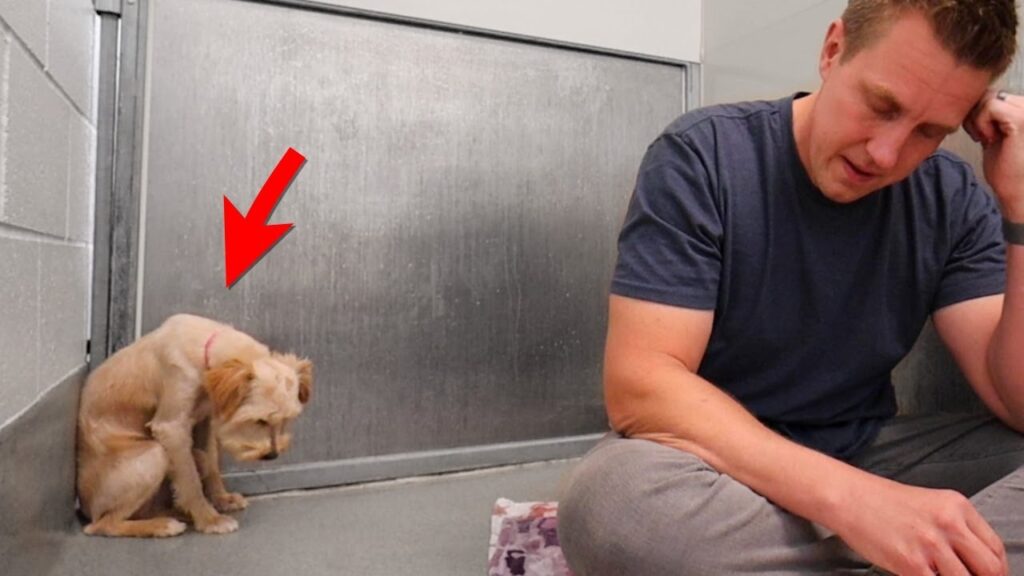
Timid rescue dog transforming into a happy adopted family pet
Add this text below the video
Every Rescue Dog Deserves a Second Chance
Rescue dogs often arrive at shelters carrying emotional scars from neglect, abandonment, or a lack of socialization. Many are fearful of people, unfamiliar environments, or everyday situations. With patience, positive reinforcement, and consistent care, even the most timid dogs can learn to trust again.
This inspiring transformation shows how love, routine, and understanding can completely change a dog’s confidence and quality of life. Stories like this remind us why adoption gives deserving dogs a second chance while enriching the lives of the families who welcome them home.
Understanding canine body language is also an important part of helping fearful dogs adjust. Visit our Dog Behaviour section for more articles about reading dog behavior and building trust:
Keeping an adopted dog mentally and physically engaged also supports recovery. Explore our Dog Exercise Planner AI to create personalized activity routines that match your dog’s age, breed, and energy level:
If you’re welcoming a rescue dog into your home, browse our Dog Training category for articles that can help establish positive habits and strengthen your bond:
The American Society for the Prevention of Cruelty to Animals (ASPCA) offers practical advice for adopting rescue dogs, helping them settle into a new home, and building trust through positive reinforcement.
FAQ
Why are some rescue dogs afraid of people?
Many rescue dogs have experienced neglect, abuse, poor socialization, or sudden changes in their environment. Patience and positive experiences help them regain confidence.
How long does it take a rescue dog to adjust?
Every dog is different. Some adapt within days, while others may need several weeks or months to fully settle into their new home.
What is the best way to build trust with an adopted dog?
Provide a consistent routine, use positive reinforcement, allow the dog to approach at its own pace, and avoid forcing interactions.