
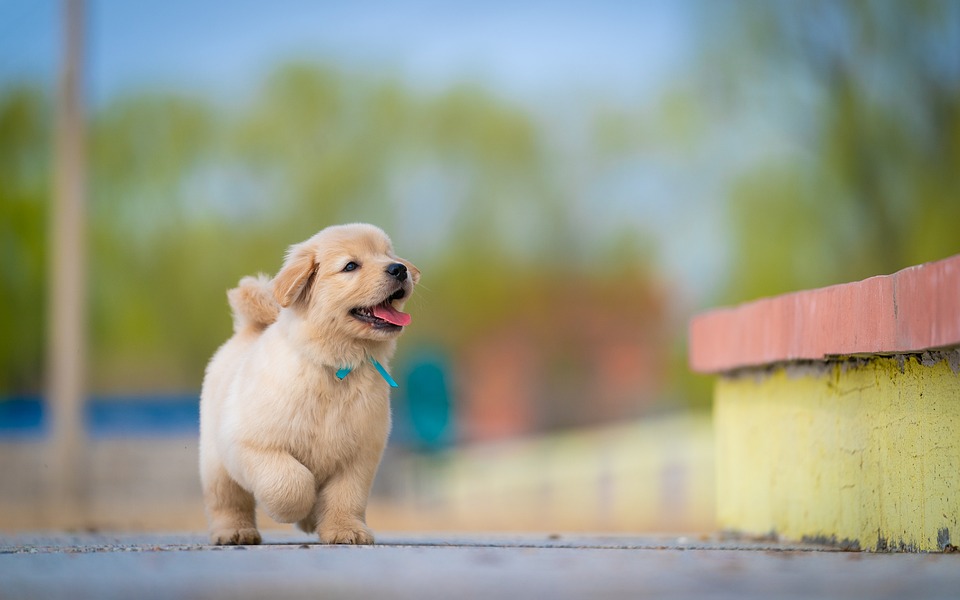
Puppy leash training: tips for a successful first walk | EpicDogLife.com
Leash training is a big step for any puppy. It opens up the world. And it keeps them safe. It also builds the foundation for a lifetime of enjoyable walks together. But that first walk can feel intimidating. There is so much to remember. The good news is that with a little preparation, you can make it a positive experience for both of you.
Before we dive in, check out our comprehensive puppy training schedule for your first day at home . You may also find our master leash training top tips for success helpful.
Why leash training matters
Leash training is about more than just walking. It is about safety. A well-leashed dog is less likely to run into traffic. It gives you control in public spaces. It also helps with socialization. Your puppy learns to meet other dogs and people calmly. And it strengthens the bond between you. Every walk becomes a shared adventure.
For more on building that bond, see our puppy socialization checklist essential steps for a well adjusted dog .
Preparing for your first walk
Before you head out, a little preparation goes a long way.
Select the right equipment
Use a comfortable collar or harness that fits your puppy well. A standard leash, about 4 to 6 feet long, is ideal for training. For puppies who pull, a no-pull harness can help. Our bolux no pull adjustable dog harness small review covers one option. We also have a rabbitgoo no pull dog harness adjustable vest review.
Choose a quiet location
Start in a low-distraction area. Your backyard or a quiet street works well. This helps your puppy focus on you.
Time it right
Take your puppy out when they are calm but alert. Avoid times when they are overly excited or tired. A relaxed puppy learns better.
For travel tips, check out our essential dog travel tips for stress-free adventures guide.
Introducing the leash
Your puppy needs to get used to the leash before you hit the pavement.
Familiarization
Let your puppy sniff and explore the leash indoors. Let them wear it around the house for short periods under supervision.
Positive reinforcement
Use treats and praise when your puppy accepts the leash. This creates positive associations.
Practice indoors
Once they are comfortable, practice walking around your home. Encourage them to follow you. Reward them with treats.
For more on training basics, see our master dog training essential tips for success guide.
The first walk: step by step
Now for the big moment. Here is how to make it a success.
Start slowly
Let your puppy acclimate to the environment. Allow them to sniff and explore. Do not rush.
Keep it short
Limit the first walk to 10 or 15 minutes. Puppies have short attention spans. They can get overwhelmed easily.
Use simple commands
Use commands like heel or let’s go. Be consistent. Your puppy will learn faster if you use the same words every time.
Avoid pulling
If your puppy pulls, stop walking. Wait until they return to you. Reward them when they stop pulling. This teaches them that pulling gets them nowhere.
Praise and treats
Offer plenty of praise and treats during the walk. Reward good behavior, like walking beside you without pulling.
Troubleshooting common issues
Every puppy is different. Here are some common challenges and how to handle them.
Pulling on the leash
If your puppy pulls ahead, stop walking immediately. Wait until they return to you before continuing.
Barking at distractions
If your puppy barks at other dogs or people, redirect their attention. Use treats or toys to get their focus back on you.
Sitting or refusing to move
Encourage movement gently. Use treats as motivation. Avoid harsh yanking or dragging. That can create fear.
For more on managing behavior, check out our understanding and resolving common dog behavior issues guide.
The importance of consistency
Consistency is key in leash training. Regular practice reinforces good behavior.
Create a routine: Establish a regular walking schedule. Your puppy will know what to expect.
Acknowledge progress: Celebrate small victories. Improved focus or reduced pulling is worth celebrating.
Avoid mixed signals: Make sure everyone in your household uses the same commands and techniques.
For expert advice on leash training, visit The Kennel Club’s guide on training [https://www.thekennelclub.org.uk/training/].
The role of socialization
Socialization is a crucial part of leash training. Here are some tips for doing it safely.
Gradual exposure: Introduce your puppy slowly to new environments, sounds, and sights.
Puppy classes: Enroll in local obedience classes. Your puppy can interact with other puppies in a controlled setting.
Cautious introductions: When meeting new dogs, keep a safe distance at first. Let both dogs get comfortable.
For more on socialization, see our top tips for socializing your puppy successfully guide.
Frequently asked questions
1. How old should my puppy be before starting leash training?
You can start introducing a collar and leash as early as 8 weeks old. Formal training sessions can begin once they are comfortable wearing it, usually around 10 to 12 weeks old.
2. What type of collar or harness is best for my puppy?
A flat collar works for most puppies. If they pull a lot, consider a front-clip harness. It discourages pulling without causing discomfort.
3. How do I handle my puppy’s fear or anxiety during walks?
If your puppy shows fear or anxiety, take baby steps. Introduce them gradually to new environments. Reward calm behavior. If anxiety persists, consult a professional trainer.
4. How often should I walk my puppy?
Puppies need several short walks daily, about 10 to 15 minutes each. This depends on their age and energy level. As they grow older, you can increase the length and frequency.
5. What if my puppy refuses to walk?
Check that their collar or harness fits properly. Make sure it is not uncomfortable. Encourage them with treats or toys. Avoid dragging them. Try coaxing them gently into movement.
6. When should I seek professional help with leash training?
If you are struggling despite consistent efforts, consider hiring a professional dog trainer. This is especially important if your puppy shows aggressive behavior toward other dogs or people while leashed.
For more on training, explore our master dog obedience training proven techniques guide.
Final thoughts
Puppy leash training takes time and patience. But with dedication and consistency, you will soon enjoy many pleasant walks together. Every walk is a chance to learn, to bond, and to explore the world side by side.
For more helpful content, explore our master leash training top tips for success guide. You can also check out our puppy crying at night understanding the reasons and solutions article for more puppy care tips.